
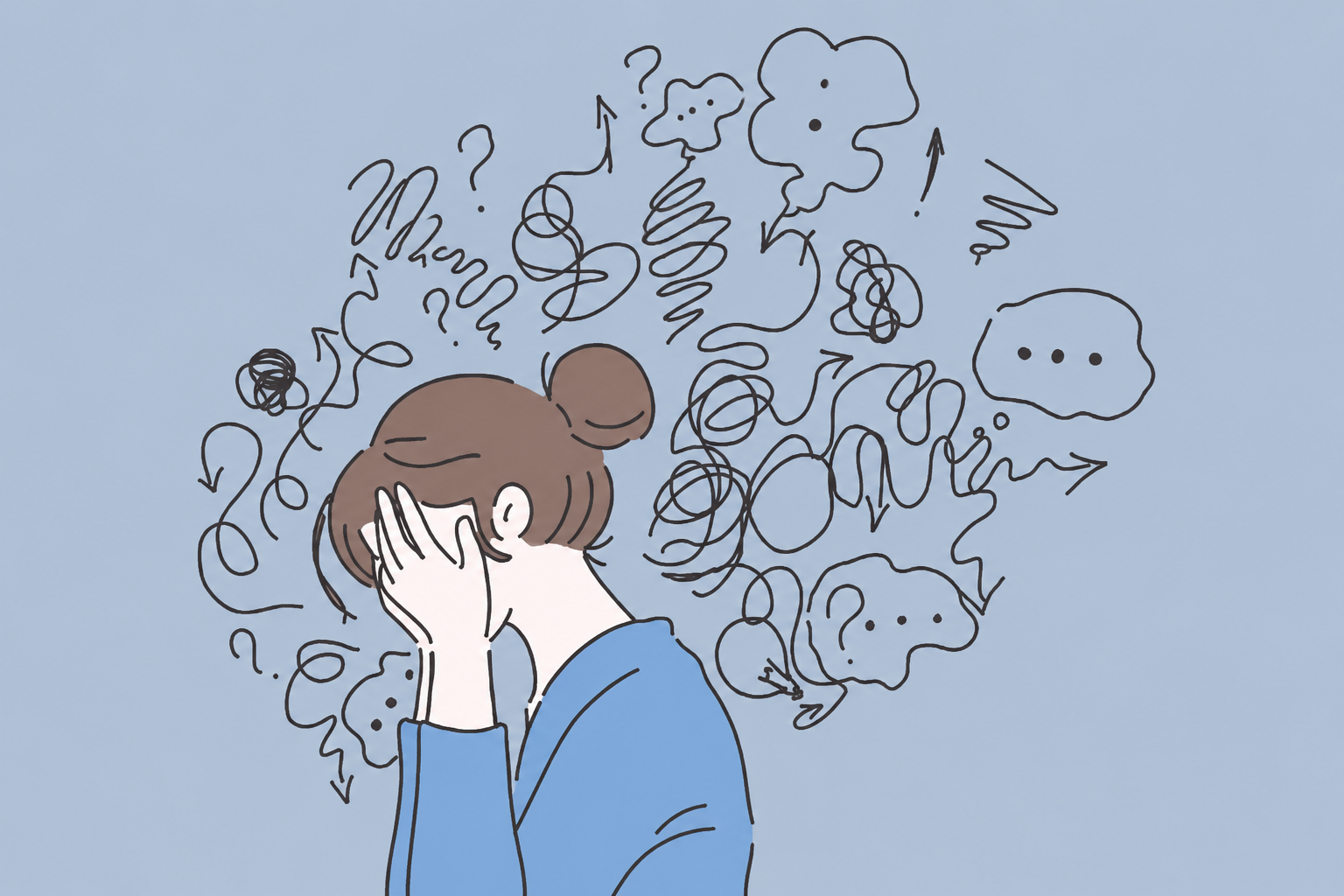
The Highly Sensitive Person (HSP)
You are too much! You aren’t enough! We just don’t know what to do with you! You are way too sensitive! You don’t fit in here! What’s wrong with you?
Sound familiar?
20-30% of the Earth’s people and animals are highly sensitive but don’t confuse this with emotional sensitivity. Throughout evolution, highly sensitive individuals were actually hardwired to process their environment differently to protect and advise the 80% of their tribe that may act impulsively or have a difficult time finding preventative solutions. Our survival as humans is based on a good balance of risk-taking and careful sensory processing. The only issue is, that the world was not created for neurodiverse individuals, and they often find themselves compensating to fit into a world that caters to neurotypical people. This prolonged overstimulation can cause mental fatigue with elevated adrenaline and cortisol levels and over time, this results in prolonged levels of high-stress hormones consequently contributing to physical ailments (Aron, 2013). Elaine Aron’s theory on the highly sensitive person provides an in-depth exploration of common traits that accompany sensory processing sensitivities.
NEURODIVERSITY.
Research supports differences in the structure/function of the brain particularly, the memory processing and sensory integration parts of the brain. There is often high activation in brain regions responsible for empathy, meaning-making, awareness, and unconscious preparation (Acevedo et al., 2014). These differences contribute to altered sensory processing in the autonomic nervous system which are responsible for emotional processing inputs and response outputs. This contributes to the hyperawareness or hypersensitivity experienced among individuals who are HSP’s. Many of these individuals need ample time to recharge their batteries and have a limited capacity for stimulation, social or otherwise.
THE SUPERPOWERS OF THE HSP.
Detail oriented.
Fosters deep one-on-one social connections.
Values others’ emotions.
Passionate and innovative.
Ability to pick up on subtle cues, body language, and micro-expressions.
High ability to empathize.
High emotional awareness of self and others.
Often ideal employees when validated and supported.
Uses psychoanalysis as a survival strategy.
THE CHALLENGES OF THE HSP.
Perfectionistic tendencies.
Succumbs to overstimulation regularly.
Often challenged by surface-level conversation and small talk.
Aversion to violence or suspense.
Aversion to medical situations and experiences high levels of perceived trauma.
People pleasers.
Sensory processing issues with textures, sights, sounds etc.
Often feels invalidated or dismissed.
High anxiety and difficulty returning to homeostasis.
Nighttime is particularly challenging as the day begins to process in the mind.
They have the ability to socially mask however this causes social burnout.
Are you highly sensitive? You can find out in this empirically studied assessment below:
HSP Assessment: https://hsperson.com/test/highly-sensitive-test/
If you would like to book with a licensed mental health professional in the province of Ontario click here
By: Stef Wood M.A., R.P.
Resources:
HSP Website: https://hsperson.com/
HSP Assessment: https://hsperson.com/test/highly-sensitive-test/
Alanis Morissette Youtube documentary: https://www.youtube.com/watch?v=aFphzEcVUNQ
Books:
The Highly Sensitive Person.
The Highly Sensitive Person Workbook.
The Highly Sensitive Parent.
The Highly Sensitive Person in Love.
References:
Acevedo, B., Aron, E., Pospos, S., & Jessen, D. (2018). The functional highly sensitive brain: a review of the brain circuits underlying sensory processing sensitivity and seemingly related disorders. Philosophical Transactions of the Royal Society B: Biological Sciences, 373 (1744), 20170161.
Aron, E. N. (2013). The highly sensitive person: How to thrive when the world overwhelms you. Kensington Publishing Corp.
Bridges, D., & Schendan, H. E. (2019). Sensitive individuals are more creative. Personality and Individual Differences, 142, 186-195.
Greven, C. U., Lionetti, F., Booth, C., Aron, E. N., Fox, E., Schendan, H. E., … & Homberg, J. (2019). Sensory processing sensitivity in the context of environmental sensitivity: A critical review and development of research agenda. Neuroscience & Biobehavioral Reviews, 98, 287-305.
Lionetti, F., Aron, A., Aron, E. N., Burns, G. L., Jagiellowicz, J., & Pluess, M. (2018 ), Dandelions, tulips and orchids: evidence for the existence of low-sensitive, medium-sensitive and high-sensitive individuals. Translational Psychiatry, 8(1), 24. doi: 10.1038/s41398-017-0090-6